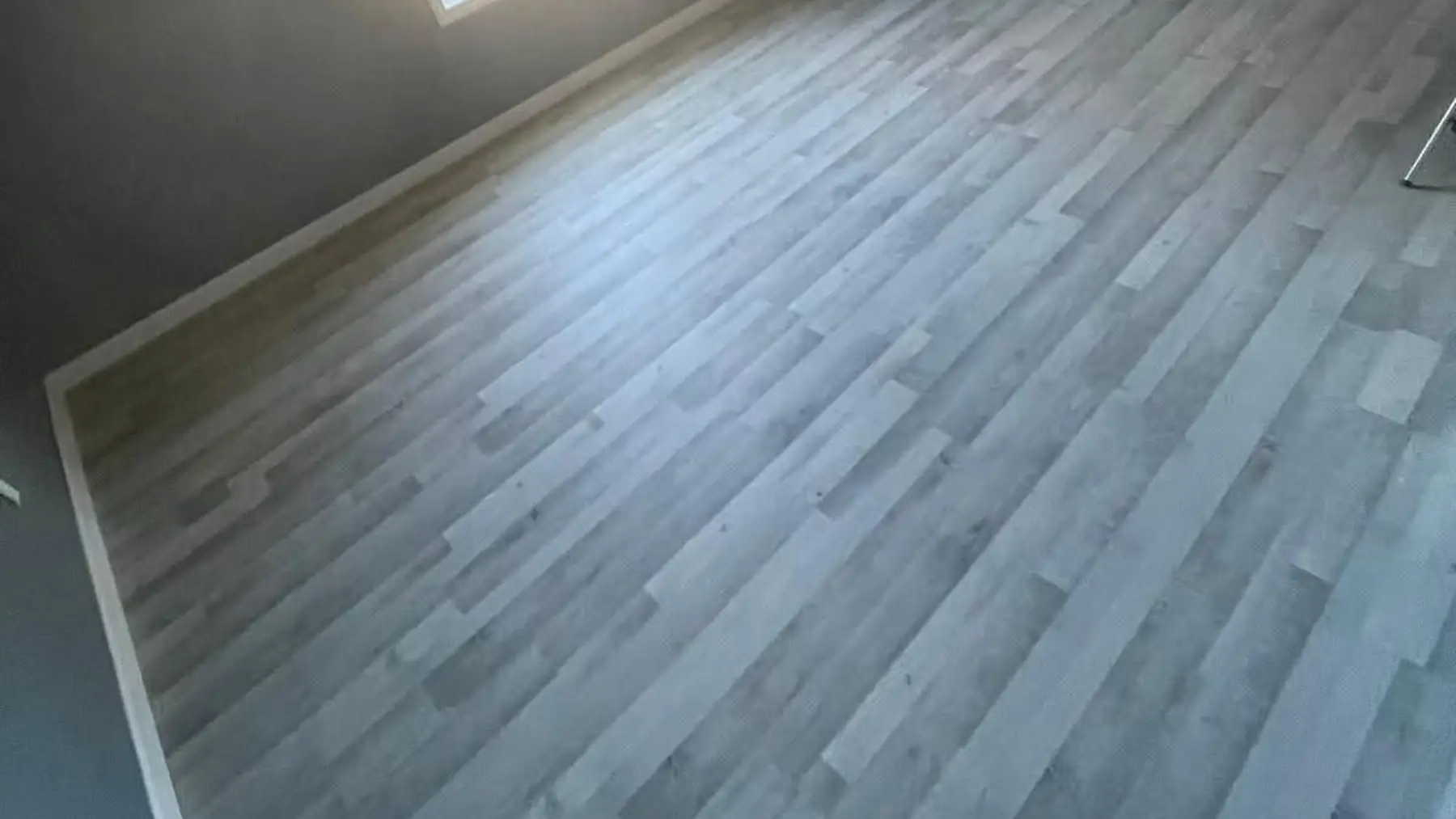
Service
Tile Flooring Installation
Porcelain, ceramic, stone and plank tile floors, set over subfloor that has been checked and prepped first. New Bern, Trent Woods, Havelock and the Crystal Coast.
Get a free estimate
Three quick questions. Most people get a number back the same day.
Rather talk? Call or text 252-649-4643 · open 8:00am to 8:00pm
- Free estimates
- Written scope
- Owner-installed
- Open 8:00am to 8:00pm
Free estimates · open 8:00am to 8:00pm · New Bern and Eastern NC
- Free estimatesSame-day reply in most cases
- Owner on every jobQuoted and installed by one person
- Open 8:00am to 8:00pmCall or text, seven days a week
- Serving since 2024New Bern and Eastern NC
A tile floor fails for one of two reasons: the subfloor moved, or it was never flat to begin with. Both are decided before any tile comes out of the box, which is why the prep is most of what you are actually buying.
I install porcelain, ceramic, natural stone and the wood-look plank porcelain that has taken over most of Eastern North Carolina — real tile, not vinyl, so it will not swell, dent or lift when water gets under it. Slab or crawlspace, new construction or a 1960s New Bern house with a floor that has settled — each one gets handled differently.
What the job includes
Written out so you know exactly what you are paying for, and what you are not.
- Furniture moved and the room protected before anything starts
- Demo of existing flooring and haul-away of the debris
- Subfloor checked for flatness and deflection, and corrected where it is out
- Backer board or an uncoupling membrane where the floor calls for it
- Dry layout so you see where the cuts land before anything is set
- Tile set in the right mortar for the tile and the substrate
- Grouting, caulk at every change of plane, and sealing where the material needs it
- Transitions and trim at doorways, and the site cleaned up daily
Materials
- Porcelain — the default for Eastern NC humidity and the one I recommend most
- Ceramic for lower-traffic rooms and budget-driven jobs
- Natural stone — travertine, marble, slate — sealed properly
- Large format, up to 24x48, where the subfloor supports it
- Wood-look plank porcelain — reads as hardwood, survives a flooded laundry room
- Mosaic and decorative inlays
The part that decides whether your floor lasts: flatness and movement
Industry standard for large format tile is a subfloor flat to 1/8 inch over 10 feet. Most floors in older New Bern homes are not. The fix is self-leveler or a float coat, and it is not optional — set a 24-inch tile on a floor that dips and you get a hollow spot, then a crack, then a callback.
Movement is the other half. Wood-framed floors over a crawlspace flex, and tile does not. An uncoupling membrane between the subfloor and the tile lets the floor move without taking the tile with it. On a slab, the concern is existing cracks, which get isolated rather than tiled straight over.
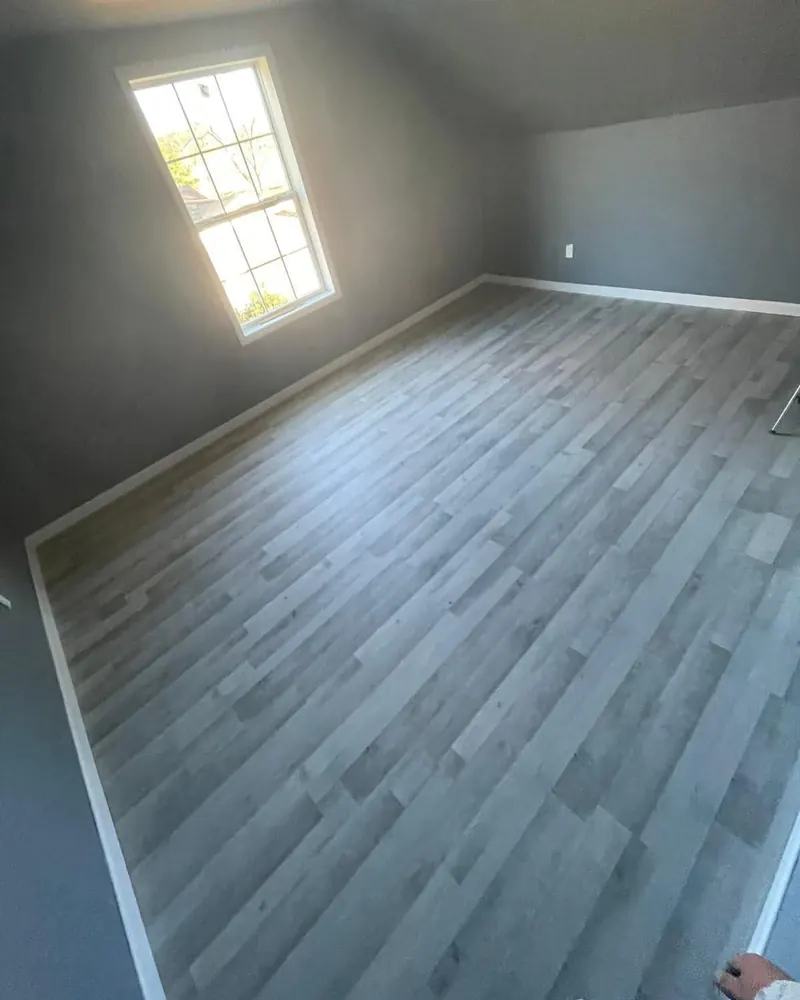
Plank tile has its own trap. Long tiles are slightly bowed down their length, so laying them in a 50 percent brick offset like real wood flooring guarantees lippage at every joint. A one-third offset is the maximum, and most manufacturers now require it in writing.
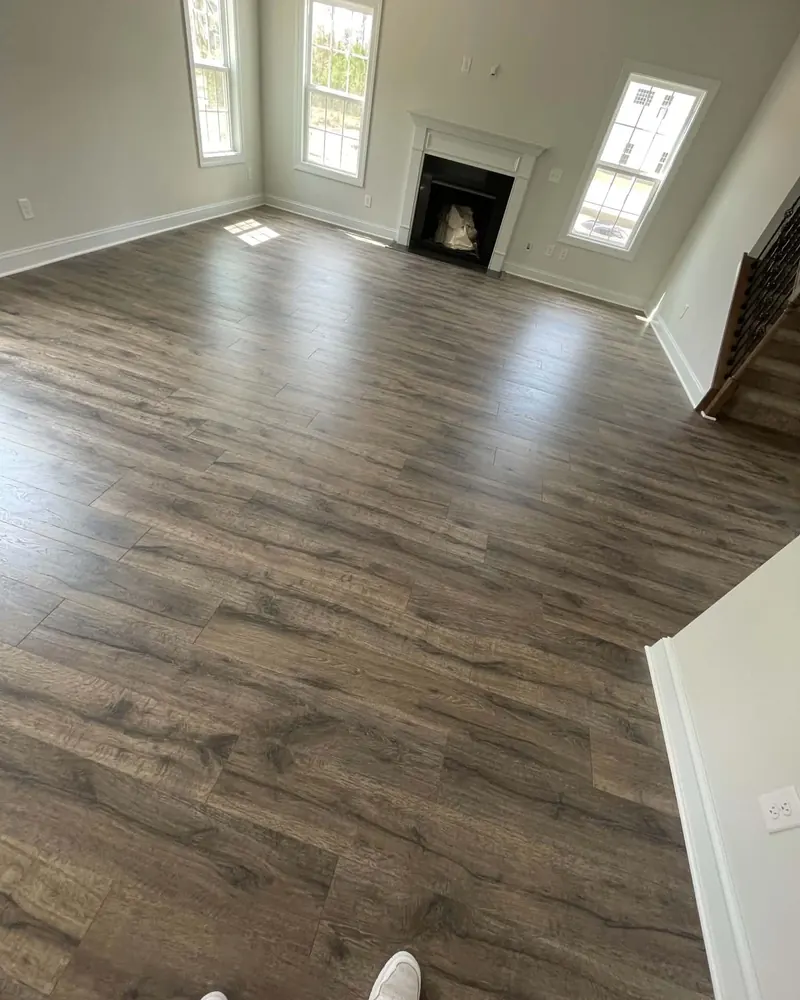
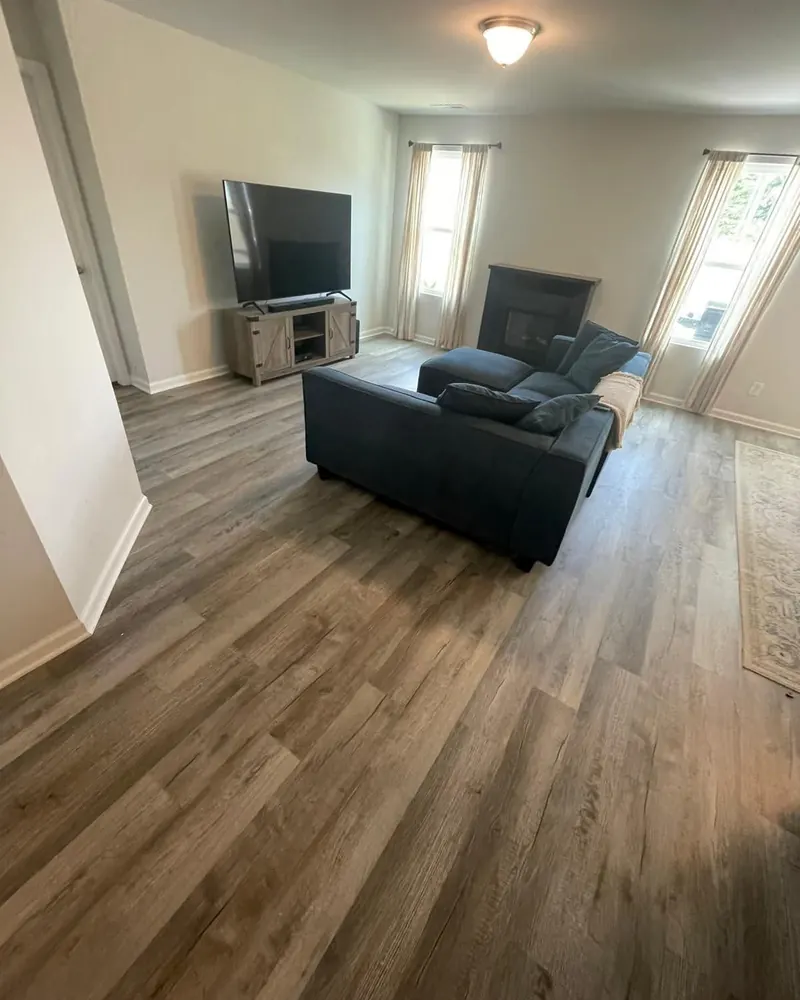
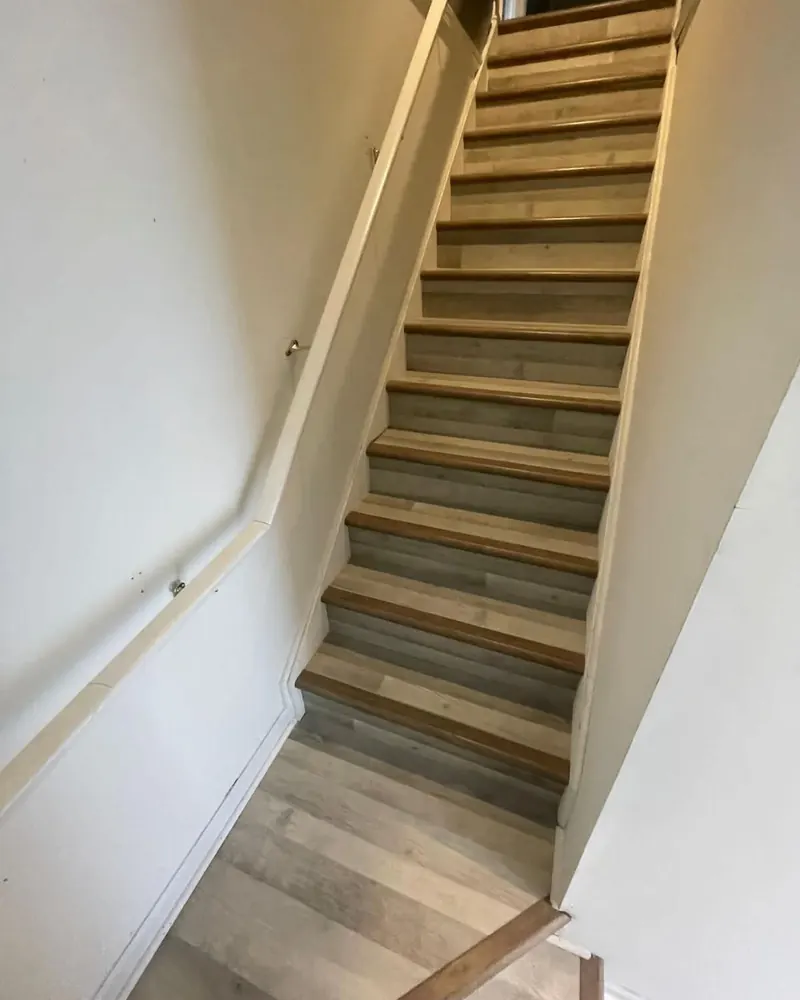
Recent tile work
What it costs
Real ranges, installed, not including the tile itself. Layout, prep and cuts move these either way — anyone who quotes you a firm number without seeing the space is guessing.
| Job | Typical installed range |
|---|---|
| Bathroom floor, standard size | $600 – $1,400 |
| Kitchen or dining room floor | $1,800 – $4,500 |
| Whole first floor, plank tile | $5,000 – $12,000 |
| Self-leveling or float prep | Quoted separately once the floor is checked |
Timeline. A bathroom floor is one to two days. A kitchen is two to three. A whole first floor runs most of a week, plus a day for prep if the subfloor needs leveling.
Questions I get asked
Can you tile over my existing tile floor?
Usually I would rather not. It raises the floor height at every doorway, it adds weight, and it hides whatever is going wrong underneath. There are cases where it makes sense — I will tell you which one yours is after I look at it.
How long before I can walk on it?
Light foot traffic the next day in most cases, normal use after the grout has cured, usually 48 to 72 hours. Rushing it is how grout gets discolored.
Do you move the appliances and furniture?
Yes, within reason. Refrigerators, washers and dryers get moved and put back. Pianos and gun safes we talk about first.
Do I buy the tile or do you?
Most people pick their own. Bring me the name and I will tell you how it installs and roughly how much waste to order. If you would rather not shop, I will bring options to you.
What about the transition to carpet or wood?
Included. Every doorway gets a proper transition piece chosen for the height difference, not a strip of trim slapped over the gap.
Ready for a straight answer on your tile job?
Call and talk to the person who will actually do the work. Free estimates, no pressure, no sales visit.